



Remote Data Acquisition and Transport
Across the vast landscape of Aerospace & Defense Testing, SatCom, or Launch and Space Operations, data may be received at a variety of local and remote ground locations, shipboard assets, or satellite tracking stations, and ultimately be delivered or distributed to a command & control center, processing system, recorder, or display & analysis environment.
Remote data acquisition and transport keeps that telemetry moving across distance without losing fidelity, timing, security, or operational value. As programs rely on IP networks, Starlink, StarShield, and SATCOM to connect distributed sites, the transport path becomes part of the mission.
DTS supports this path with GDP gateway technology built for modern, unpredictable networks. The GDP Model 2355 Telemetry Gateway bridges PCM telemetry with Ethernet and TMoIP, while two new transport capabilities give teams the flexibility to choose ORBIT, short for Operationally Reliable Bridge for IP Telemetry, for SRT-based reliable recovery or a separate low-latency mode for redundant delivery based on the network and mission.
Industry Challenges
Remote telemetry transport is only as strong as the path carrying the data. When programs operate across remote sites, satellite links, legacy telemetry systems, and distributed command environments, the challenge is not just moving data. It is keeping that data dependable, secure, low-latency, and ready for mission use.

Remote Sites Are Not Always Connected by Fixed Infrastructure
Telemetry receiving locations may be temporary, mobile, downrange, offshore, or outside the reach of traditional fiber networks. The site can receive telemetry locally, but still needs a dependable path to move that data back to the larger mission team.
Satellite-Based Links Can Be Unpredictable
Starlink, StarShield, and SATCOM can extend connectivity into places where fixed infrastructure does not reach. However, satellite-based transport can introduce packet loss, jitter, latency, bandwidth changes, congestion, or temporary dropouts that affect how reliably telemetry moves across the network.
Legacy Telemetry Must Work with Modern IP Networks
Many programs still rely on PCM telemetry and existing ground equipment while also needing to move data through Ethernet, TMoIP, and IP-based transport paths. The transport architecture has to bridge traditional telemetry formats with modern network environments.
Low-Latency Visibility Is Mission-Critical
For flight test, missile test, range safety, and launch support, teams need to monitor data while the event is happening. Some missions can allow added latency for recovery, while others need the lowest practical latency for live visibility and decision-making.
Telemetry Has to Arrive Trusted and Usable
The transport path cannot be the weak point in the mission chain. Once telemetry is received, it must reach the command center, control room, processing system, recorder, or display environment with the fidelity, security, timing, and operational value required for live monitoring and post-mission analysis.
The DTS Answer
Delta Telemetry Systems helps teams move telemetry from remote sites to command environments with gateway-centered architectures built for distributed operations. With the GDP Telemetry Gateway at the center, programs can bridge legacy PCM telemetry with modern IP transport and choose the mode that fits the mission.

Connecting Remote Sites Without Fixed Infrastructure
DTS helps connect remote telemetry receiving locations to the larger mission team. Whether data is received at a downrange site, mobile station, shipboard asset, launch support site, or satellite ground station, GDP gateway technology provides the bridge needed to move telemetry from the edge of the operation to command environments.
Supporting Transport Over Starlink, StarShield, and SATCOM
The Telemetry Gateway supports two transport modes for unpredictable satellite-based paths. ORBIT adds SRT-based reliable recovery when data dependability is the priority, while a separate low-latency mode uses redundant data to support faster delivery when real-time visibility matters most.
Bridging Legacy Telemetry with Modern IP Networks
The Telemetry Gateway supports PCM-to-Ethernet packetization and Ethernet-to-PCM depacketization, helping programs move telemetry between traditional PCM systems and modern IP-based networks. This allows teams to support Ethernet, TMoIP, and distributed transport workflows without abandoning existing telemetry infrastructure.
Delivering Low-Latency Mission Visibility
DTS helps move telemetry quickly enough to support live monitoring, range safety, flight test operations, launch support, and real-time decision-making. When the mission cannot wait on retransmissions, the separate low-latency mode uses additional bandwidth and redundant data to help maintain stream continuity during live operations.
Preserving Telemetry Fidelity, Security, and Operational Value
DTS helps ensure the transport path protects the mission value of the telemetry, not just the movement of packets. From remote receive site to command environment, GDP gateway technology helps keep data usable for monitoring, recording, processing, display, analysis, and post-mission review.
Example Program Architecture
Connecting a Remote Telemetry Site to the Command Center
You’re supporting a flight test, missile test, launch event, range operation, or satellite program where telemetry is received at a remote site. The data may come into a downrange location, mobile ground station, shipboard asset, launch support site, or satellite ground station, while the mission team is working from a command center, control room, processing facility, or analysis environment.
DTS helps build the transport architecture that moves received telemetry from the remote site to the people and systems that need it, without losing fidelity, timing, security, or operational value.

Remote Receive Site
Telemetry is received from the aircraft, missile, launch vehicle, satellite, or mission platform at a remote location.
Suggested products:
TCS Tracking Antennas & ACUs
GDP RF Receivers
GDP Best Source Selectors
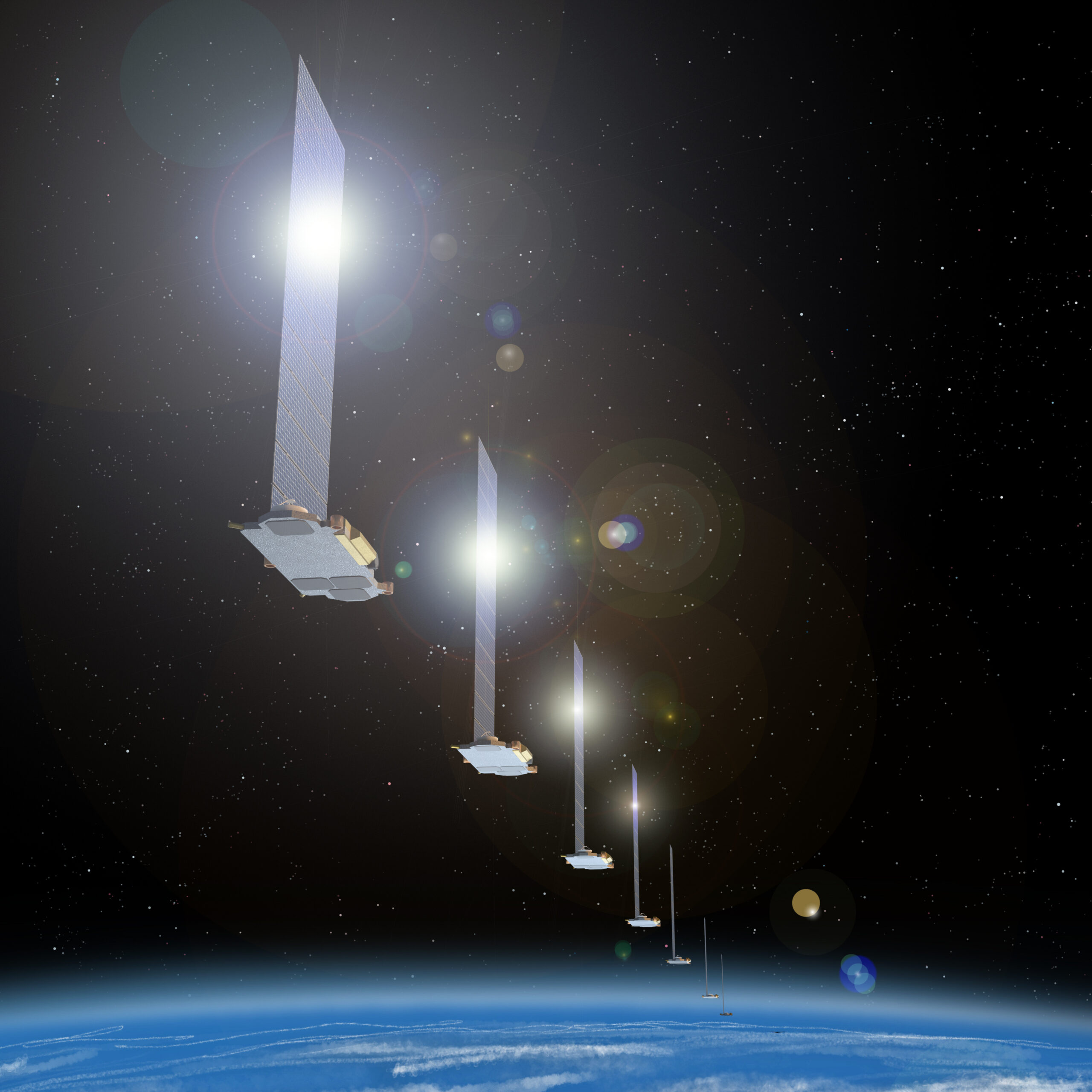
Telemetry Gateway & Reliable Transport Layer
The GDP Model 2355 Telemetry Gateway bridges PCM telemetry with Ethernet and TMoIP transport. Two new transport capabilities give teams flexibility across challenging network paths: ORBIT for SRT-based reliable recovery, and a separate low-latency mode that uses redundant data to help maintain stream continuity without waiting for retransmissions.
Suggested products & capabilities:
GDP Model 2355 Telemetry Gateway
ORBIT
Low-Latency Redundancy Mode
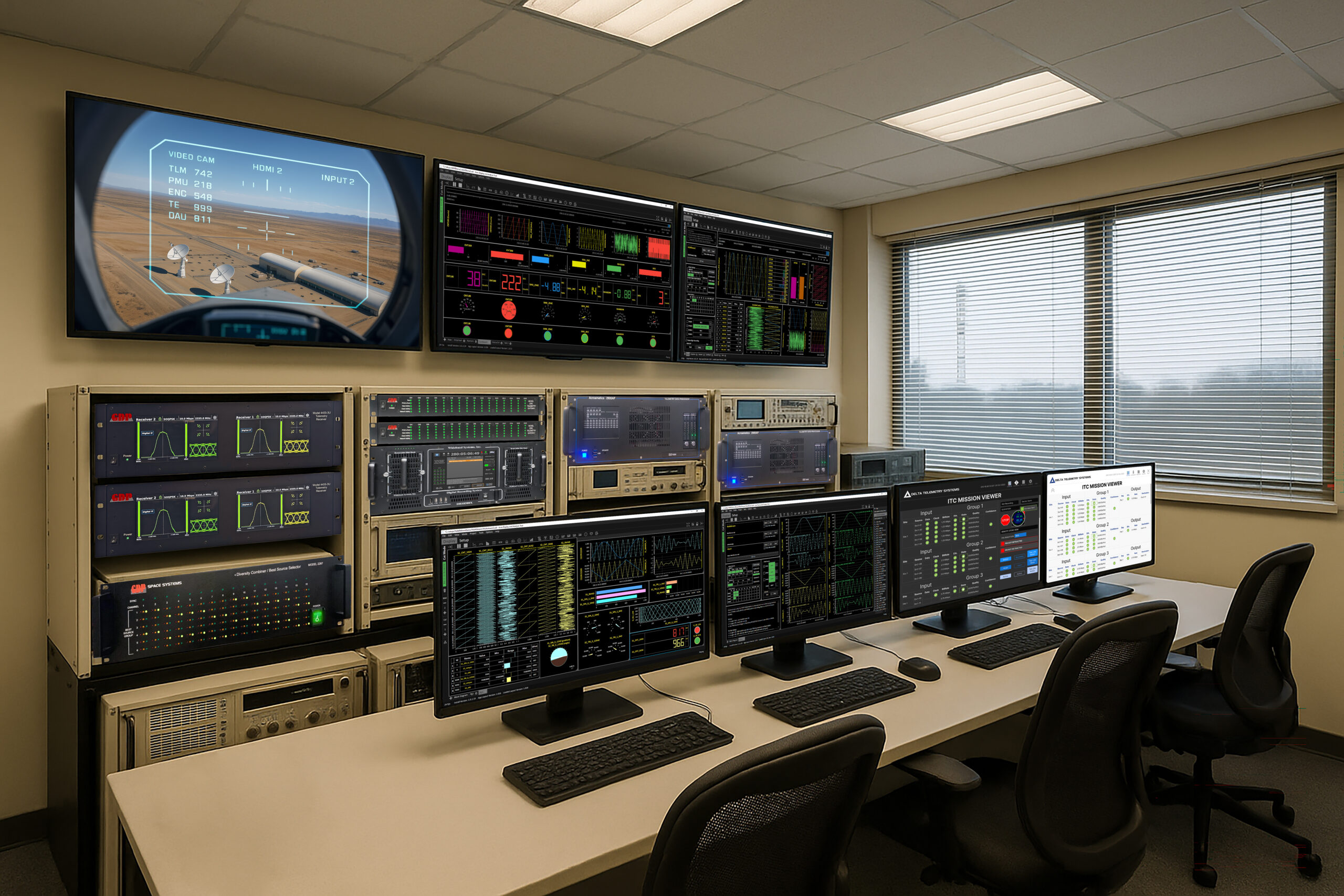
Command Environment
Telemetry is delivered to the command center, control room, operations facility, or processing environment, where it is recorded, processed, displayed, analyzed, and used to support live mission decisions and post-mission review.
Suggested products:
GDP Telemetry Gateways
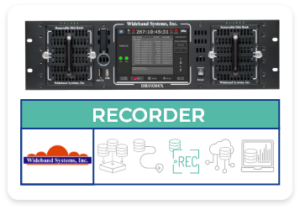
Wideband Recorders
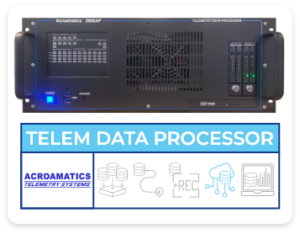
Acroamatics Telemetry Data Processors
Acroamatics ADAT Software



From the remote receiving site to the command center, DTS helps programs build telemetry transport architectures that keep mission data moving, dependable, and ready for operational use.
Why Customers Choose DTS
Remote data acquisition and transport is a telemetry problem, not just a networking problem. Once telemetry is received at a remote site, it still has to be formatted, packetized, transported, monitored, recorded, processed, displayed, analyzed, and trusted.
DTS understands the full telemetry chain. With GDP gateway technology at the center, DTS helps programs connect remote sites, modernize PCM-to-IP workflows, and move mission data across IP networks, Starlink, StarShield, and SATCOM links with confidence.
Customers choose DTS because we build for real mission conditions: remote locations, mixed legacy and modern systems, live operational requirements, and transport paths that do not always behave. With ORBIT for SRT-based reliable recovery and a separate low-latency mode for redundant delivery, teams can choose the approach that best fits the network and mission.
Ready to connect remote telemetry sites to your command center? Talk to Delta Telemetry Systems about GDP gateway solutions for secure, reliable, low-latency telemetry transport.