


Missile Production & Lifecycle Test Systems
For missile programs, telemetry is more than a data stream. It is the proof behind every qualification event, safety decision, and mission-readiness milestone. Manufacturers, defense primes, government agencies, range operators, and sustainment teams rely on trusted telemetry to evaluate weapon performance across the entire lifecycle.
Every test generates mission-critical data that must be accurately acquired, verified, recorded, processed, displayed, and preserved. Engineers need that data to confirm system behavior, troubleshoot anomalies, validate safety requirements, and support post-mission analysis. Without a reliable telemetry architecture, programs risk missed anomalies, invalid test results, increased range costs, failed qualification events, and the inability to confidently verify weapon system performance.
Today’s missile programs are operating with higher data rates, more advanced instrumentation, tighter production schedules, and stricter validation requirements than ever before. Programs need telemetry systems that scale from production qualification to live flight testing and sustainment without requiring entirely different infrastructures at every phase. Consistent, end-to-end telemetry architectures help reduce integration risk, simplify long-term support, and ensure engineers have access to the trusted data needed to make critical mission decisions.
Industry Challenges
Every industry has its challenges. For missile production and lifecycle test systems, those challenges center on one critical factor: trusted telemetry data. Let’s look at the key issues programs face across the full weapon lifecycle.

Increasing Telemetry Data Rates
Modern missile systems generate massive amounts of telemetry data that must be acquired, transported, recorded, and processed in real time without dropped packets or missed bits.
Complex Multi-Phase Test Environments
Production qualification, captive-carry, flight test, and depot sustainment all introduce different workflows, signal types, and validation requirements.
Ground Acquisition Reliability
Vehicle movement, antenna handoffs, environmental conditions, and varying signal quality make consistent telemetry acquisition difficult during live flight operations.
Legacy & Mixed Infrastructure
Many programs operate with a combination of modern and legacy telemetry systems that must work together seamlessly across multiple sites and ranges.
Range Schedule & Cost Pressure
Failed test events, incomplete data capture, or unreliable telemetry can result in costly retests, increased range time, and delayed qualification milestones.
Lifecycle Continuity
Missile programs often remain operational for decades, requiring telemetry architectures that can scale and evolve without constant infrastructure replacement.
The DTS Answer
Delta Telemetry Systems delivers an end-to-end telemetry ecosystem built to support missile programs from production qualification through flight test and long-term sustainment. Whether your program needs one critical piece of equipment or a complete end-to-end system, DTS is the answer. Our solutions cover the full telemetry chain: Acquire, Transport, Record, Process, Display & Analyze.

Built for High-Rate Data
DTS systems are designed to keep pace with demanding missile telemetry environments, where large volumes of mission data must be acquired, transported, recorded, processed, and displayed in real time without dropped packets, missed bits, or loss of data integrity.
One Architecture Across Every Test Phase
From production qualification and lab validation to captive-carry, flight test, post-mission analysis, and depot sustainment, DTS helps programs use compatible telemetry equipment across phases instead of rebuilding the test architecture at every stage.
Stronger Ground Acquisition
DTS supports reliable ground acquisition through TCS tracking antennas, GDP digital RF receivers, bit synchronizers, and correlating best source selectors that help recover the highest-quality telemetry stream available.
Legacy-Friendly Modernization
DTS products support both traditional telemetry and modern TMoIP/networked architectures, giving programs a practical path to modernize without replacing every piece of infrastructure at once.
Less Risk on Range Day
When range time is limited, DTS helps reduce risk with verified links, dependable recording, real-time processing, and post-mission playback, helping programs avoid incomplete data, failed qualification events, and costly retests.
Support That Lasts
Telemetry systems must be supportable, scalable, and adaptable over time. DTS combines field-proven hardware, long-term engineering support, and flexible system configurations to help programs sustain their test architecture from initial production through depot surveillance and recertification for as long as the program is operational.
The result: a consistent telemetry architecture that supports the full missile lifecycle, reduces integration risk, strengthens mission-critical decision-making, and gives engineering teams confidence in the data behind every test.
Example Program Architecture
Building Out a Missile Test Range
You’re a program manager tasked with building out a missile test range. The mission is clear: your team needs to validate missile performance, capture every bit of telemetry, support range safety, and give engineers trusted data for real-time decisions and post-mission analysis.
DTS helps you build the full signal-to-display architecture.

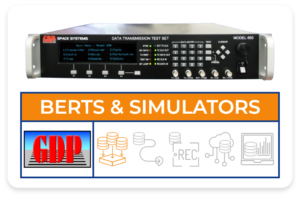
Acro & GDP BERTs & Simulators: Generate and verify PCM data for test, validation, and troubleshooting
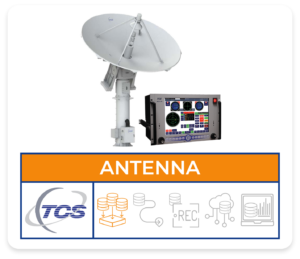
TCS Tracking Antennas & ACUs: Ground acquisition and tracking support
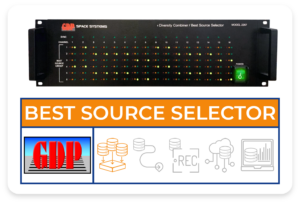
GDP RF Receivers, TMoIP Gateways & Best Source Selectors: Signal reception, transport, link quality, and source selection
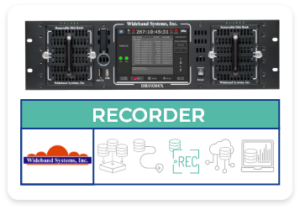
Wideband Recorders: High-rate telemetry recording and playback
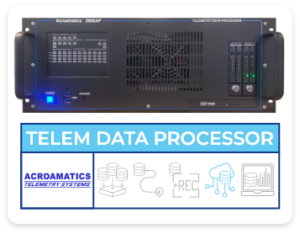
Acroamatics Processing & Display Systems: Real-time processing, display, and post-mission review
From one critical box to a complete end-to-end telemetry system, DTS helps you build a range architecture that keeps mission data moving, validated, recorded, and ready for decision-making.




Why Customers Choose DTS
Missile programs need more than equipment. They need a telemetry partner that understands the full test environment, the pressure of range schedules, and the importance of trusted mission data. DTS brings together specialized telemetry companies with deep domain expertise, proven products, and engineering support that continues long after delivery.
Customers choose DTS because we can meet them where they are: upgrading one part of the chain, modernizing legacy infrastructure, or building a complete end-to-end system that supports the mission today and adapts for tomorrow.
Ready to build or modernize your missile test telemetry architecture? Talk to Delta Telemetry Systems about your requirements, whether you need one critical subsystem or a complete end-to-end solution.
Built for Real Test Environments
DTS solutions support high-rate telemetry, mixed legacy and modern infrastructure, range operations, post-mission analysis, and long-term sustainment. With specialized companies across the telemetry chain, DTS gives programs access to deep product expertise and practical engineering support from system design through lifecycle operation.