


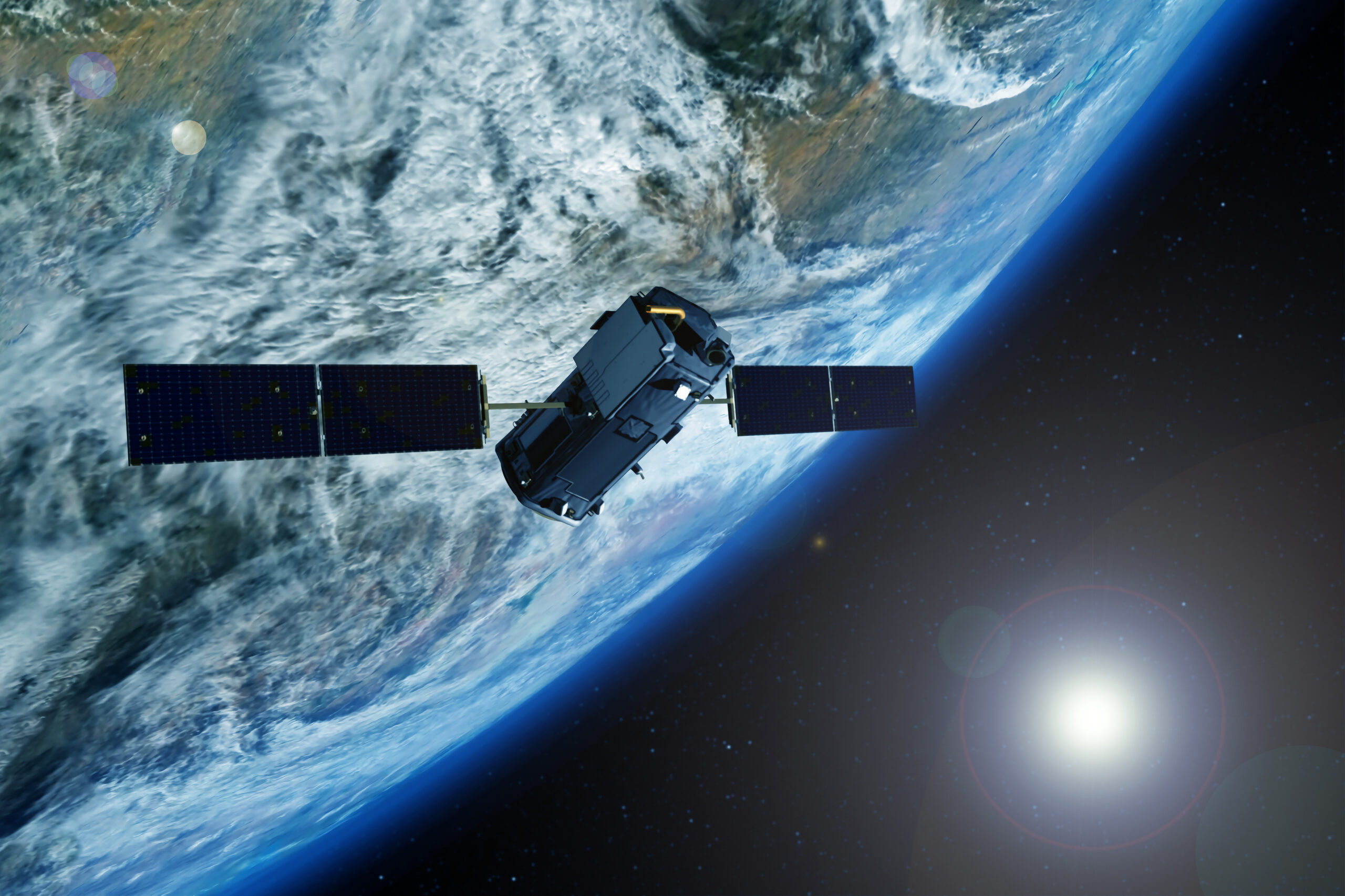
Launch & SATCOM Ground Systems
For launch and SATCOM programs covering rocket launches, early orbit operations, and ongoing satellite communications, the ground system is where mission data is received, tracked, and validated. Telemetry, tracking, and command data provide visibility into vehicle health, trajectory, and spacecraft performance from liftoff through orbit and on-station operations.
Launch providers, satellite operators, government agencies, and range teams rely on ground systems that can keep pace with each phase of the mission. From tracking antennas and antenna control units to RF receivers, RF recording, transport, processing, display, and analysis, each layer must work together to ensure reliable signal acquisition and data flow.
As launch and SATCOM programs face higher data rates, tighter windows, complex waveforms, and increasing traffic across distributed sites, the ground architecture must scale without adding integration risk. Delta Telemetry Systems supports ground telemetry systems that help operators acquire signals, capture data, move information efficiently, and make confident decisions from test through live operations.
Industry Challenges
Launch and SATCOM ground systems have to perform when the window is tight, the vehicle is moving, and the data cannot be replaced. Programs need telemetry, tracking, and command data they can trust across launch, ascent, orbital operations, satellite passes, and multi-site ground networks.
Launch and SATCOM ground systems have to perform when the window is tight, the vehicle is moving, and the signal cannot be reacquired later. Programs need telemetry, tracking, command, and RF data they can trust across launch, ascent, orbital operations, satellite passes, and multi-site ground networks

High Dynamics & Fast Acquisition
Launch vehicles move fast, change aspect quickly, and leave little room for reacquisition. Ground systems must acquire, track, and stay locked during the most critical seconds of flight.
Higher Data Rates & Complex Signals
Modern launch vehicles and satellites generate high volumes of telemetry across increasingly complex signal environments. Ground systems must receive, record, transport, and process that data without dropped packets, missed bits, or incomplete capture.
Long-Range & Low-Margin Links
Distance, atmospheric conditions, vehicle motion, and antenna handoffs can make consistent acquisition difficult. Programs need precise tracking, high-sensitivity reception, and best source selection to maintain the strongest available data path.
RF Capture & Post-Event Analysis
When a pass, launch, or test event is over, teams still need a trustworthy record of what happened. RF recording supports troubleshooting, playback, analysis, anomaly investigation, and validation after the live event.
Multi-Site & Mixed Infrastructure
Launch and SATCOM operations often span multiple ground stations, ranges, operations centers, and equipment generations. Programs need modern and legacy systems to interoperate across sites without replacing every piece of infrastructure at once.
Window & Cost Pressure
Missed acquisition, incomplete capture, or unreliable telemetry can mean a lost launch window, a missed satellite pass, costly delays, and repeated events. The ground system has to work when the mission clock is running.
The DTS Answer
Delta Telemetry Systems supports launch and SATCOM ground operations with systems built around the realities of the mission: fast acquisition, precise tracking, dependable RF reception, trusted recording, networked transport, and usable mission data from test through live operations. Whether your program needs one critical subsystem or a complete ground architecture, DTS brings together the products and engineering support to keep the mission visible usable, and trusted.

Reliable Ground Acquisition
TCS tracking antennas and antenna control units help acquire and hold fast-moving launch vehicles and satellite targets through dynamic mission phases, giving operators the pointing precision and control needed to stay locked on the signal.
High-Rate Data Handling
DTS systems are built for high-volume launch and satellite telemetry environments where data must move through the ground architecture without dropped packets, missed bits, or loss of integrity. From acquisition through recording and processing, the system has to keep pace with the mission.
High-Sensitivity Reception & Source Selection
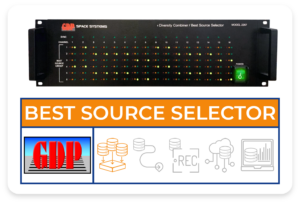
GDP RF receivers and correlating best source selectors help maintain signal confidence across long-range, low-margin, and multi-antenna environments. When conditions change, operators need the strongest available telemetry source feeding the ground system.
RF Recording & Mission Playback
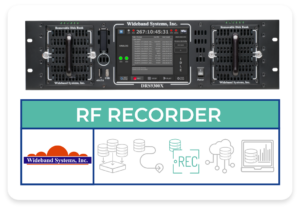
Wideband RF recorders capture the RF environment for troubleshooting, playback, anomaly investigation, link analysis, and post-event review. When the live event is over, teams still have the record they need to understand what happened.
Multi-Site & Legacy-Friendly
DTS products support traditional telemetry, TMoIP, and modern networked architectures, giving multi-site programs a practical path to connect, transport, and share data without replacing every piece of infrastructure at once.
Less Risk When the Window Opens
Launch windows and satellite passes do not wait for ground system issues. DTS helps reduce risk with dependable acquisition, trusted recording, real-time processing, and post-mission playback so programs can avoid incomplete data, missed events, and unnecessary repeat operations.
The result: a consistent ground telemetry architecture built to support launch and SATCOM operations from integration through on-orbit activity, helping teams reduce integration risk, strengthen decision-making, and trust the data behind every event.
Building Out a Launch & SATCOM Ground Station
You’re supporting a launch, satellite, or SATCOM program with a mission that has to succeed beyond the pad. A rocket may be carrying a satellite into orbit, delivering a spacecraft or payload, or validating a missile, interceptor, or flight test vehicle. A satellite may be supporting secure communications, ISR, Earth observation, weather monitoring, navigation, data relay, or other mission-critical services.
In every case, the ground system is how operators know the mission is working. It has to acquire and track the vehicle or satellite, receive the telemetry, capture the RF and data record, and deliver trusted information to the teams making real-time and post-mission decisions.
DTS helps build the signal-to-display architecture that connects acquisition, RF reception, recording, transport, processing, display, and analysis.
Ground Acquisition & Tracking
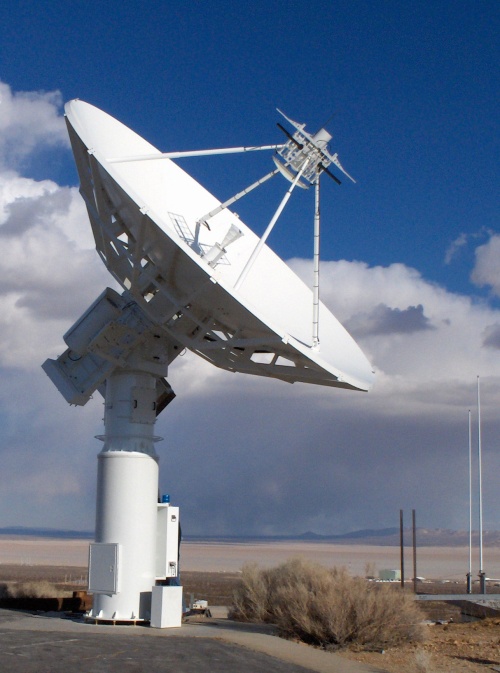
The mission starts with getting eyes on the vehicle, satellite, or payload. TCS tracking antennas and antenna control units help acquire and maintain signal lock as a rocket accelerates through flight, a test vehicle follows its trajectory, or a satellite comes into view during a pass. This is how operators keep the mission visible while the asset is doing the job it was launched to do.
Suggested products:
TCS Tracking Antennas
TCS Antenna Control Units

RF Reception, Selection & Recording
Once the signal is acquired, the ground system has to receive it, preserve it, and protect the mission record. GDP RF receivers and best source selectors help maintain telemetry confidence across long-range, low-margin, and multi-antenna environments, while Wideband RF recorders capture the RF and telemetry record for replay, troubleshooting, anomaly investigation, and post-event analysis.
Suggested products:
GDP RF Receivers
GDP Best Source Selectors
Wideband RF Recorders
Transport, Processing & Mission Decisions
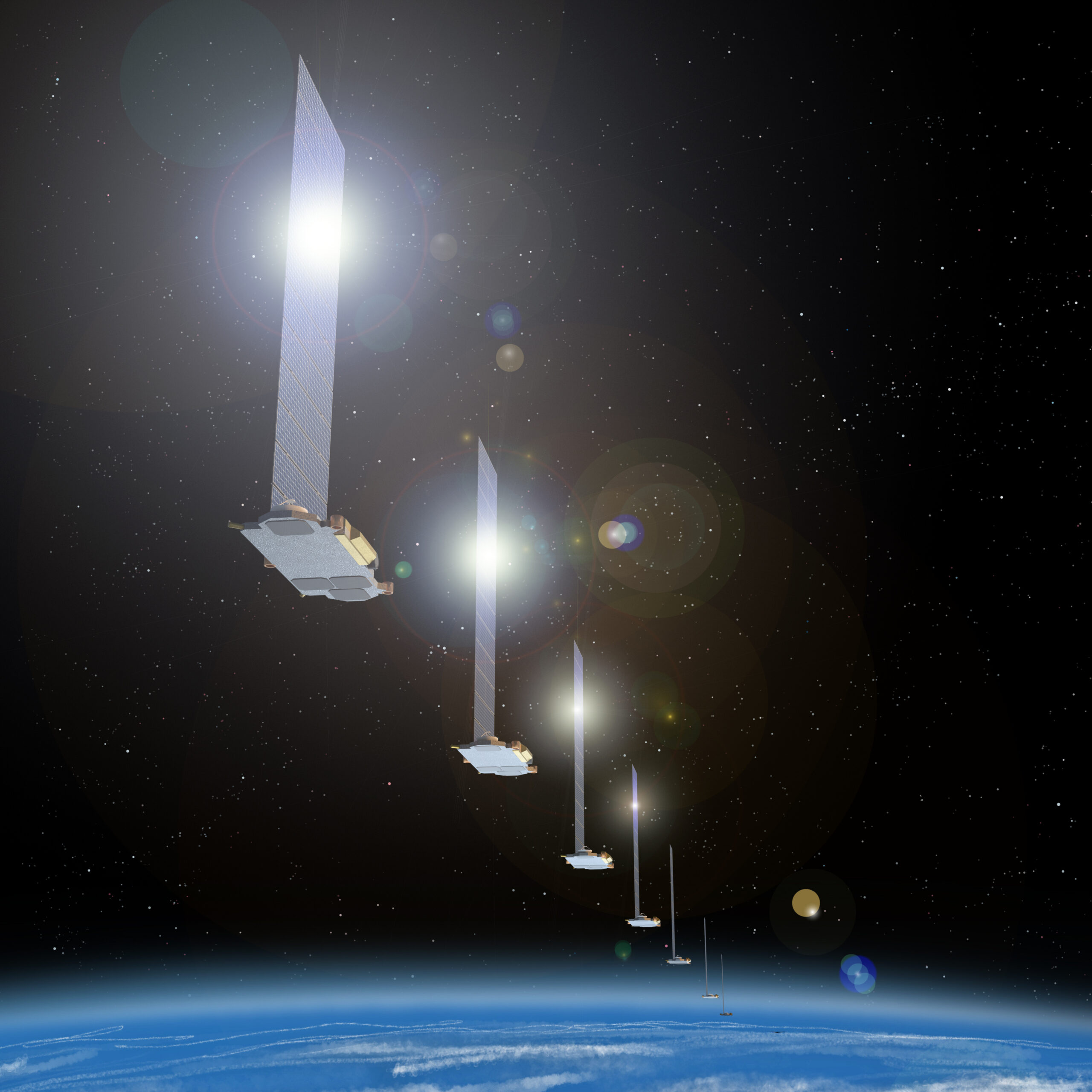
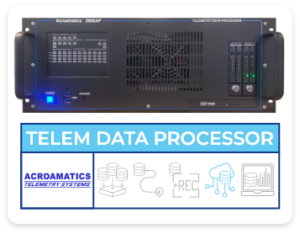
After the signal is received and recorded, mission data has to move to the operators, engineers, and decision-makers who need it. GDP gateways support telemetry transport across networked ground architectures, while Acroamatics processing and display systems help teams monitor vehicle health, verify payload or satellite performance, evaluate mission results, and make real-time and post-mission decisions.
Suggested products:
GDP TMoIP Gateways (with ORBIT)
Acroamatics Telemetry Data Processors
Acroamatics ADAT Software



From one critical subsystem to a complete end-to-end telemetry system, DTS helps programs build a ground architecture that keeps mission data acquired, validated, recorded, and ready for decision-making, launch after launch and pass after pass.
Why Customers Choose DTS
Launch and SATCOM programs need more than equipment. They need a telemetry partner that understands the full ground environment, the pressure of fixed launch windows and satellite passes, and the importance of trusted mission data.
DTS brings together specialized telemetry companies with deep domain expertise, proven products, and engineering support that continues long after delivery. Whether a program is upgrading one part of the chain, modernizing legacy ground infrastructure, or building a complete end-to-end system, DTS can help support the mission today and adapt for tomorrow.
Built for Real Mission Environments
DTS solutions support high-rate telemetry, dynamic tracking, mixed legacy and modern infrastructure, multi-site range operations, RF recording, post-mission analysis, and long-term sustainment. With specialized companies across the telemetry chain, DTS gives programs access to deep product expertise and practical engineering support from system design through lifecycle operation.
Ready to build or modernize your launch and SATCOM ground architecture? Talk to Delta Telemetry Systems about your requirements, whether you need one critical subsystem or a complete end-to-end solution.