


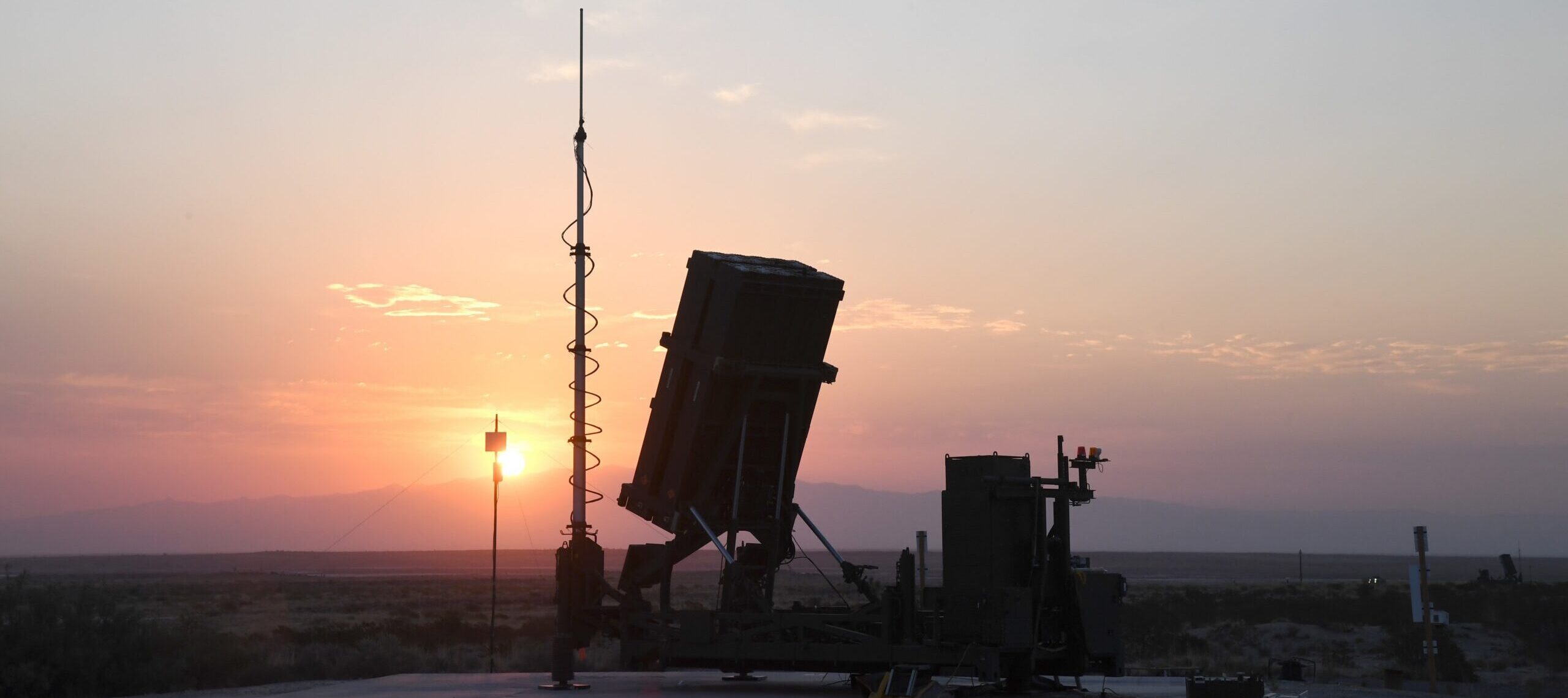
Golden Dome & Missile Defense Tracking
Golden Dome for America is being developed as a layered homeland missile defense architecture designed to detect, track, and defeat ballistic, hypersonic, cruise missile, and other advanced aerial threats. The architecture is expected to combine space- and ground-based tracking, intercept capabilities, and integrated command and control to create a more complete defense of the homeland.
Building that capability requires more than developing the interceptor itself. Missile defense systems have to be tracked, instrumented, integrated, tested, and validated under demanding flight conditions before they can be relied on operationally. Test and range teams need accurate telemetry from launch through intercept, reliable movement of data across distributed sites, a complete record of the event, and real-time visibility into system performance.
Delta Telemetry Systems supports that test, tracking, and validation mission across the full telemetry chain, from acquisition through display and analysis.
Industry Challenges
Missile defense testing pushes telemetry infrastructure differently than a conventional flight test. Long trajectories, multiple test assets, geographically separated sites, and high-value events make continuity and data integrity critical from the first acquisition through post-mission review.

Tracking Through a High-Dynamic Engagement
Targets, interceptors, and other flight assets can accelerate, maneuver, and move through large tracking volumes quickly. Losing the signal at the wrong moment can leave a critical gap in the test record.
Connecting a Distributed Test Range
Tracking sites, receive locations, control rooms, and processing facilities may be separated by miles or connected across multiple networks. Telemetry has to move between them without compromising timing or data integrity.
Building One Trusted Data Picture
A missile defense event may generate telemetry from multiple receive paths and locations. Timing differences, dropouts, degraded links, or conflicting sources can leave teams with multiple versions of the same event and no clear picture of what actually happened.
Preserving an Event That Cannot Be Recreated
Missile defense flight tests are complex, expensive, and often impossible to repeat under the same conditions. If critical RF or telemetry is missed, corrupted, or lost during the event, engineers may be left with gaps at the exact moment they need to understand most.
The DTS Answer
Missile defense testing demands continuity across long trajectories, distributed assets, and one-time, high-value events. DTS addresses those challenges across the telemetry chain, bringing tracking, acquisition, transport, recording, processing, and analysis together to keep critical mission data moving and usable from first acquisition through post-mission review.

Maintain the Track
Precision telemetry tracking, antenna control, signal reception, bit synchronization, and best-source selection help teams acquire and maintain usable telemetry throughout demanding flight profiles and across multiple receive paths.
Connect the Range
Data conversion, distribution, and Telemetry-over-IP capabilities move PCM and telemetry between remote acquisition sites, networks, and control facilities. Reliable and low-latency transport options give teams flexibility when links, bandwidth, and latency requirements change across the mission.
Build the Complete Data Picture
Real-time telemetry processing, decommutation, engineering-unit conversion, derived calculations, and synchronized display turn incoming streams into information operators and engineers can use during the event and in post-mission analysis.
Preserve the Mission Record
Wideband RF, IF, and telemetry recording capture critical data at multiple points in the chain, including the original signal before downstream processing can change it. Playback and reprocessing give teams another path to investigate anomalies and recover mission data after the event.
Building Out a Distributed Missile Defense Test Architecture
You’re building a distributed test architecture for a next-generation missile defense program. Multiple sites need to track the flight, acquire telemetry, move data across the range, preserve the original signal, and give engineers a real-time view of system performance. A representative DTS architecture could bring those requirements together like this:
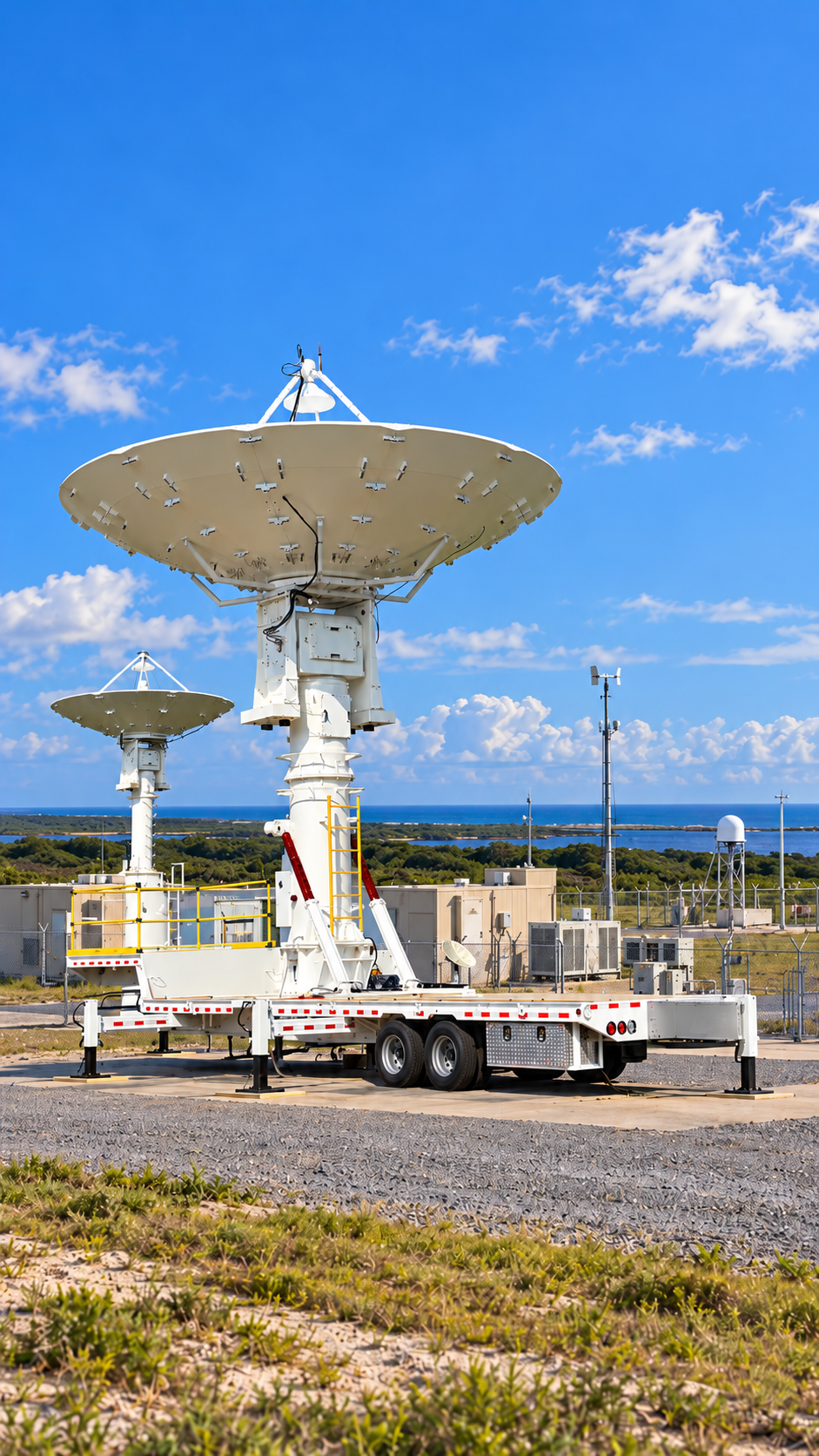
Remote Tracking & Receive Sites
Distributed tracking sites follow the target or test vehicle while receiving telemetry from multiple locations. The goal is to maintain a clean, usable signal as geometry, range, and receive conditions change throughout the flight.
Suggested products:
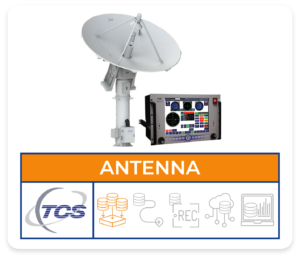
TCS Tracking Antennas
TCS Antenna Control Units
GDP Digital RF Receivers
Acro/GDP Bit Synchronizers
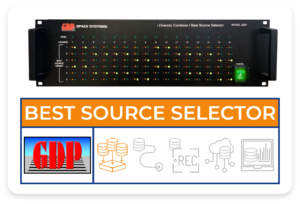
GDP Best Source Selectors
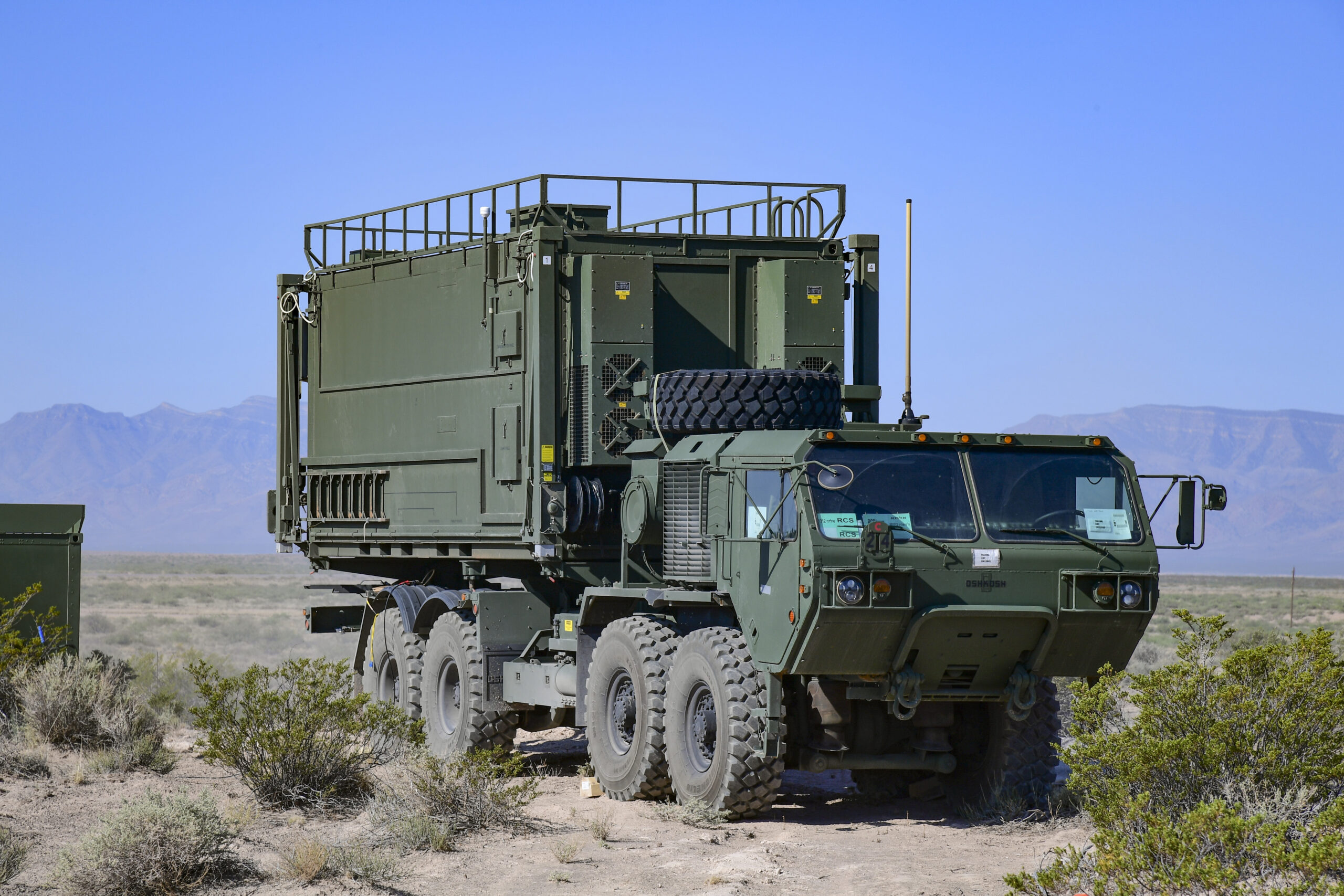
Range Transport & Mission Recording
Once telemetry is acquired, it has to move between remote sites and centralized facilities without losing integrity. At the same time, critical RF and telemetry data should be preserved so the event can be replayed, reprocessed, or investigated later.
Suggested products:
GDP Telemetry Gateways / TMoIP
GDP Data Distribution Systems
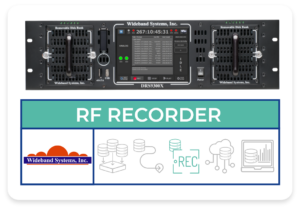
Wideband RF Recorders
Wideband ARC Command Suite
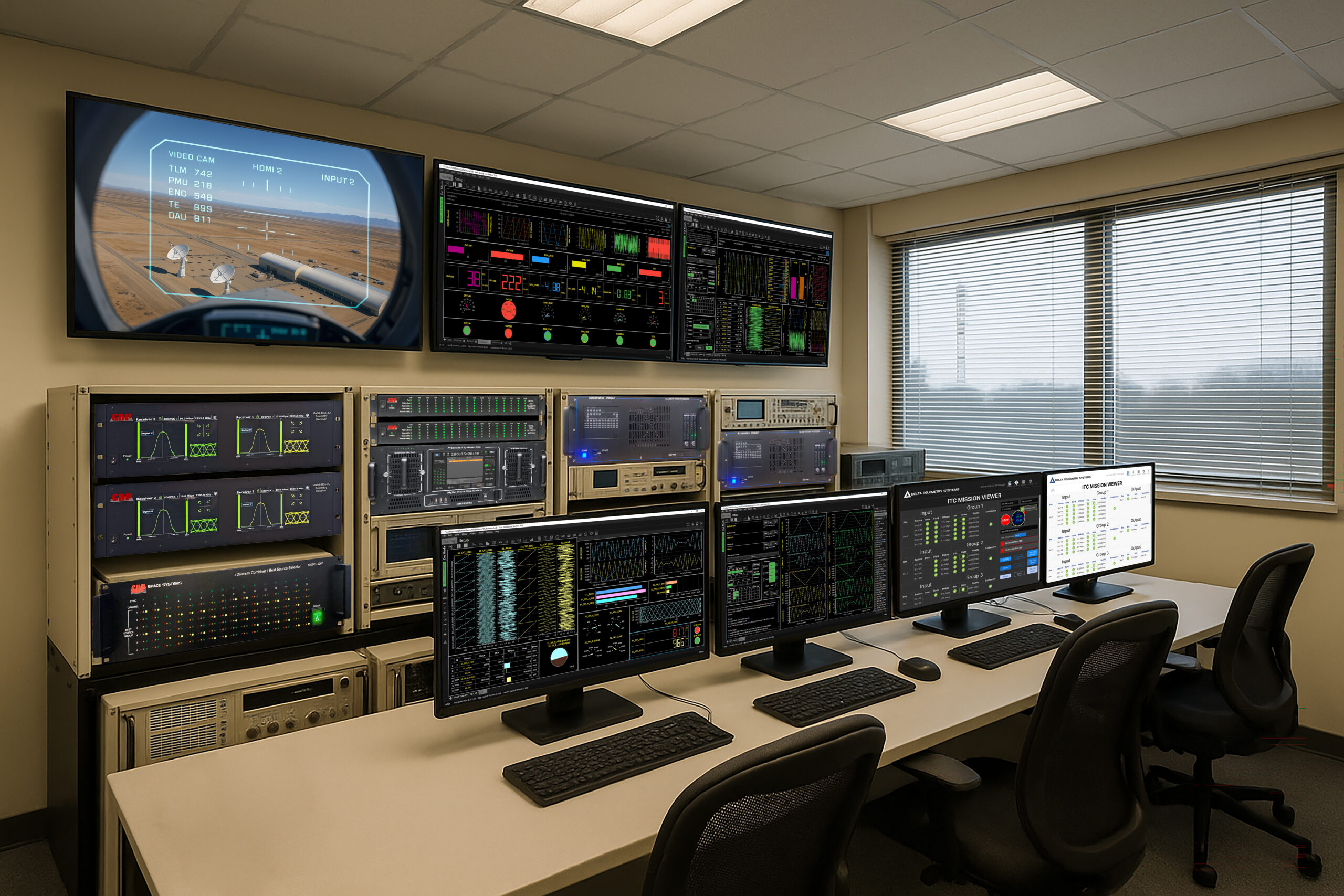
Mission Control, Processing & Analysis
At the control center, telemetry from across the range is processed, synchronized, displayed, and analyzed so engineers can monitor the event in real time and evaluate system performance after the test.
Suggested products:
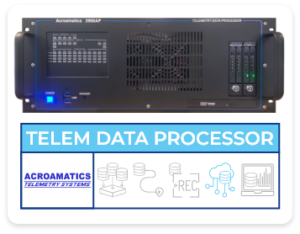
Acroamatics Telemetry Data Processors
Acroamatics ADAT Software



From first acquisition through post-mission analysis, DTS helps missile-defense programs build a connected telemetry architecture that keeps critical test data moving, preserved, and usable across the range.
Why Customers Choose DTS
Missile defense test programs need more than individual boxes. They need a telemetry architecture that can span geographically distributed range assets, preserve high-value mission data, work with existing infrastructure, and remain supportable as test requirements evolve.
One Team Across the Telemetry Chain
DTS covers Acquire. Transport. Record. Process. Display & Analyze., allowing programs to source one subsystem or coordinate multiple parts of the test architecture through one team.
Built for Missile, Flight Test & Range Operations
DTS companies bring decades of experience supporting telemetry tracking, launch, range safety, RF recording, real-time processing, and other demanding test environments.
Modernize Without Starting Over
Support for traditional PCM and RF/IF workflows alongside Ethernet, TMoIP, distributed processing, and networked telemetry gives programs a practical path from existing range infrastructure to newer architectures.
Keep the Data After the Event
DTS can preserve both the original acquired signal and the processed telemetry record, giving engineering teams more options when replaying a test, investigating an anomaly, or validating system performance.